
Fortune Cooke doesn’t keep a ledger. She doesn’t track hours or charge by the minute. But if you’ve ever sat across from her at a dimly lit table in Mayfair, sipping something expensive and pretending you’re not counting the way she tilts her head when she laughs, you know exactly what she’s selling. It’s not sex. It’s not companionship. It’s the illusion of being chosen - the quiet, terrifying thrill of being the one person who gets to see the real her, even if only for an evening.
People call her a mistress. Others say she’s a high-end escort. Some even whisper euroescort dubai in hushed tones, as if naming her profession in another city makes it less real. But Fortune doesn’t live in Dubai. She lives in a converted Georgian townhouse in Clifton, with floor-to-ceiling windows and a collection of vintage Chanel that costs more than most people’s mortgages. She doesn’t need to travel for clients. They come to her. And they pay - not because she’s beautiful, though she is - but because she makes them feel like they matter.
The Hobby Whore Myth
The term "hobby whore" was never meant to be taken seriously. It started as a joke in online forums, a way for men to laugh at themselves while admitting they spent more on dates, gifts, and trips than they did on their own savings accounts. But it stuck. And now, it’s a label worn by people who treat relationships like subscription boxes: pay monthly, get curated attention, return when you’re lonely again.
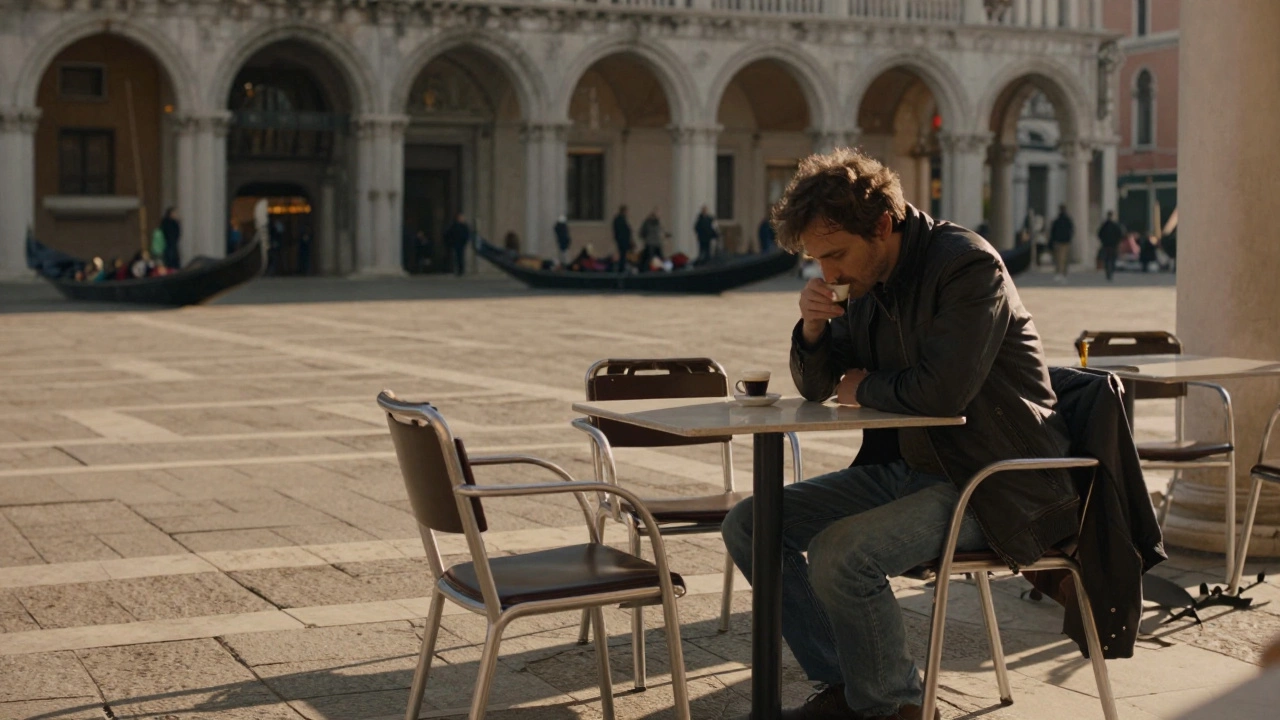
Fortune’s clients aren’t all rich. Some are doctors, others are retired teachers. One was a school bus driver from Bristol who saved for three years just to take her to Venice. He didn’t ask for sex. He just wanted her to sit with him at a café in San Marco and tell him stories about her childhood in Belfast. He cried when she left. She didn’t. That’s not cruelty. It’s professionalism.
Why People Pay for Attention
We live in a world where connection is abundant but intimacy is scarce. Social media feeds are full of faces, but few eyes truly see you. Algorithms push content that confirms your loneliness, not fixes it. So people turn to paid attention because it’s reliable. It doesn’t ghost you. It doesn’t cancel plans. It shows up.
Fortune’s clients don’t want love. They want to be listened to without being judged. They want someone who remembers how they take their tea, who knows which songs make them quiet, who doesn’t ask for anything in return except silence sometimes. And that’s worth more than money to them.
It’s not about power. It’s about presence.
The Hidden Economy of Emotional Labor
Most people don’t realize how much work goes into being a companion. It’s not just dressing well and smiling on cue. It’s holding space for trauma you didn’t cause. It’s pretending you don’t notice the tremor in their voice when they talk about their divorce. It’s knowing when to offer advice and when to just say, "I’m here."
Fortune has a rule: no repeat clients unless they’ve waited at least six months. She says it keeps things honest. If someone comes back too soon, it’s not because they missed her - it’s because they’re stuck. And she won’t be their emotional crutch.
She doesn’t call herself a therapist. But she’s seen more breakdowns in her living room than most licensed counselors see in a decade.
The Euro Girls Dubai Myth
There’s a whole industry built around the idea of "euro girls dubai" - glamorous, untouchable women who live in penthouses and fly to Monaco on weekends. The fantasy sells. But the reality? Most of these women aren’t even in Dubai. They’re in Moscow, Bucharest, or Kyiv, working through agencies that take 70% of their earnings. The ones who make it to the UAE? They’re often trapped in visa schemes, working under conditions no one would admit to in public.
Fortune doesn’t work with agencies. She doesn’t have a manager. She books her own clients, sets her own rates, and walks away when she’s done. She’s not part of the fantasy. She’s the antidote to it.
Still, people Google "escort girl dubai" looking for someone like her. They don’t find her. They find templates. They find bots. They find scams.
What Happens When the Fantasy Ends
Fortune has watched clients lose jobs after spending their life savings on her. She’s seen marriages collapse because someone thought paying for attention was the same as building a relationship. She’s held people while they sobbed after realizing they’d confused transactional kindness with real love.
She doesn’t feel guilty. She feels responsible.
"I’m not the problem," she says. "I’m the mirror. The problem is what people refuse to see in themselves."
She doesn’t offer therapy. But she does give out a single piece of advice to every client who asks: "Go talk to someone who doesn’t get paid to listen. See how long it takes before you feel like you’re boring them. That’s where your work begins."
The Real Cost
Fortune charges £800 an hour. Some pay in cash. Others use wire transfers. One client paid with a vintage Rolex he’d inherited from his father. She sold it and donated the money to a domestic violence shelter.
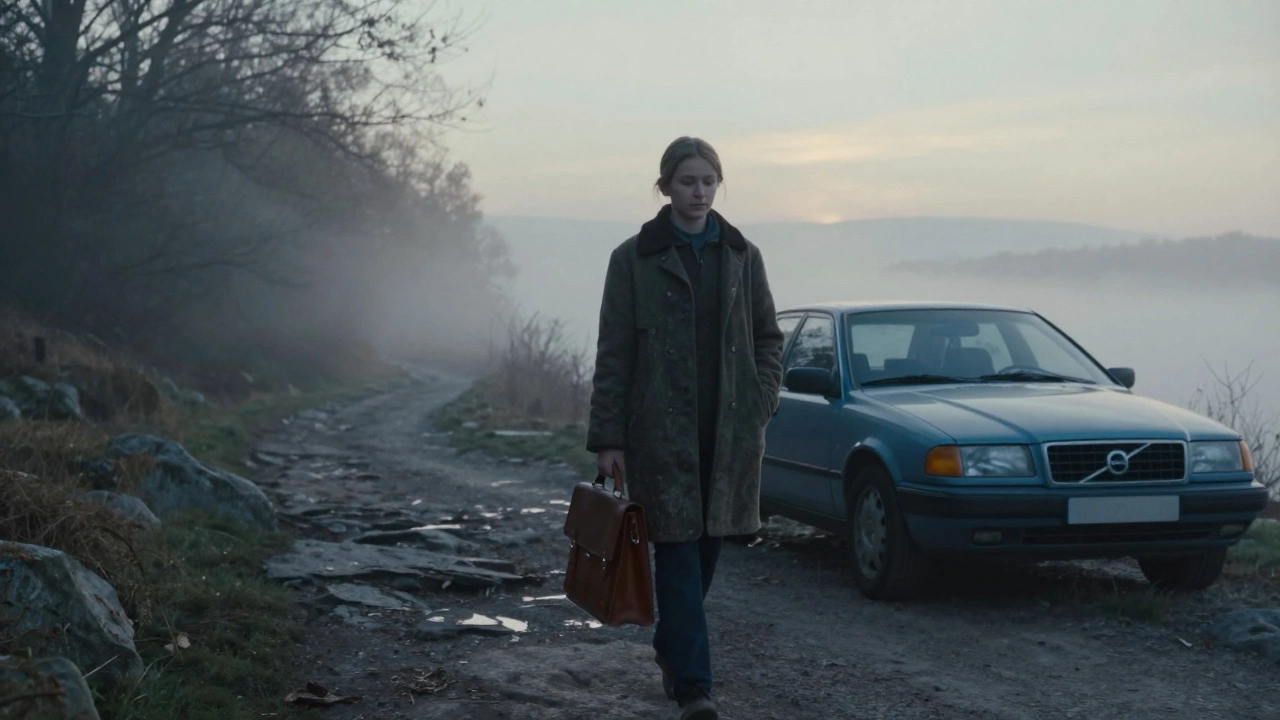
She doesn’t keep receipts. She doesn’t file taxes under her real name. She lives quietly, drives a 10-year-old Volvo, and spends her weekends reading philosophy and walking along the Avon Gorge.
Her clients? They go back to their lives. Some get better. Some don’t. A few write her letters years later - thanking her, apologizing, or just saying they miss the way she made them feel seen.
She keeps the letters. She never replies.
Is This Exploitation?
People ask if she’s being used. If her clients are being manipulated. If this is just another form of prostitution.
She laughs. "Prostitution is about bodies. This is about souls. And souls don’t come with price tags. They come with boundaries."
She’s not a victim. She’s not a villain. She’s a woman who built a business around a truth most people refuse to face: we’re all starving for attention. And some of us are willing to pay for it - even if it means admitting we’re lonely.
What You’re Really Buying
You’re not buying sex. You’re not buying a date. You’re buying the chance to feel like you’re not alone - even if it’s only for an hour. And that’s worth more than money. But it’s also more dangerous.
Because once you’ve paid for that feeling, it’s hard to go back to the real thing. The messy, uncertain, unpaid kind. The kind that requires vulnerability. The kind that might not come back.
Fortune Cooke doesn’t want you to pay her. She wants you to stop needing to.