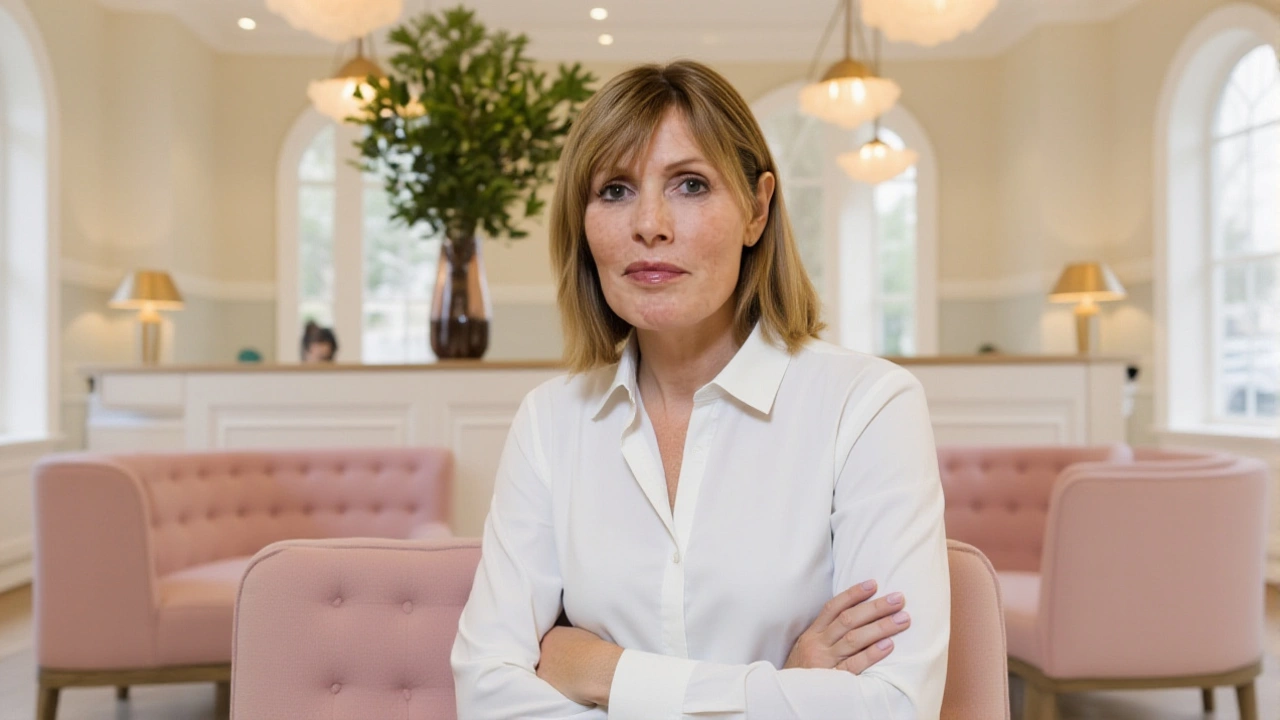
When Skye Gyngell passed away on November 24, 2025, at age 62, the culinary world didn’t just lose a chef—it lost a quiet revolutionary. Born in Australia in 1963, Gyngell didn’t just cook food; she reimagined its relationship to the land, the waste stream, and the people who grow it. Her death, confirmed by Starts at 60 and Hospitality and Catering News, marks the end of an era in which fine dining was made humane, humble, and fiercely sustainable.
A Kitchen Without Waste
The idea of zero-waste cooking isn’t trendy anymore—it’s expected. But back in 2016, when Spring restaurant at Somerset House in London launched its ‘Scratch menu,’ it was radical. Turn beetroot tops into soup. Transform yesterday’s bread into warm pudding with gooseberry jam. No ingredient was too small, too odd, or too ‘leftover’ to matter. Gyngell didn’t just reduce waste; she turned it into art. By 2019, Spring had eliminated every last plastic straw, cling film, and plastic-lined ice cream cup—years before most restaurants even considered it. "We didn’t wait for permission," she told Edible LA. "We just bought the alternatives." That practicality defined her. She didn’t preach. She did. And it worked. Food waste at Spring dropped to almost zero. Customers didn’t notice the absence of plastic—they noticed the flavor of a dish made from what others threw away.From Fern Verrow to the Green Michelin
The heart of Gyngell’s philosophy wasn’t in the kitchen—it was in the soil. After a 2012 trip to California, she sought out Jane Scotter of Fern Verrow, a small organic farm in Herefordshire. That partnership became the backbone of everything she built. At Petersham Nurseries Café, where she became head chef in 2004, she sourced everything locally. She earned a Michelin star in 2011—the first Australian woman to do so—but called it a "curse." "It made people think I was chasing prestige," she said. "I was chasing soil health." Her influence spread to Heckfield Place in Hampshire, where she became Culinary Director in 2012. Under her guidance, Heckfield’s Market Garden shifted from conventional to organic, then to biodynamic farming. The result? Marle restaurant at Heckfield Place earned the Green Michelin Star in 2022—and has kept it every year since. That award wasn’t for presentation. It was for integrity.A Mentor, Not a Maestro
What set Gyngell apart wasn’t just her menus—it was her kitchens. She didn’t run a brigade of silent, overworked chefs. She ran a community. Former staff describe her kitchens as "places of care, not hierarchy." She mentored not just cooks, but farmers, foragers, and even dishwashers who later opened their own small farms. "She taught us that chefs are custodians of produce and people," said one protégé, now running a sustainable bistro in Bristol. "Not just servers of food." Her leadership extended beyond the kitchen. As food editor for Vogue and contributor to The Independent, she wrote about seasonality with the urgency of a climate activist. Her cookbooks—A Year in My Kitchen and How I Cook—weren’t just recipes. They were manifestos.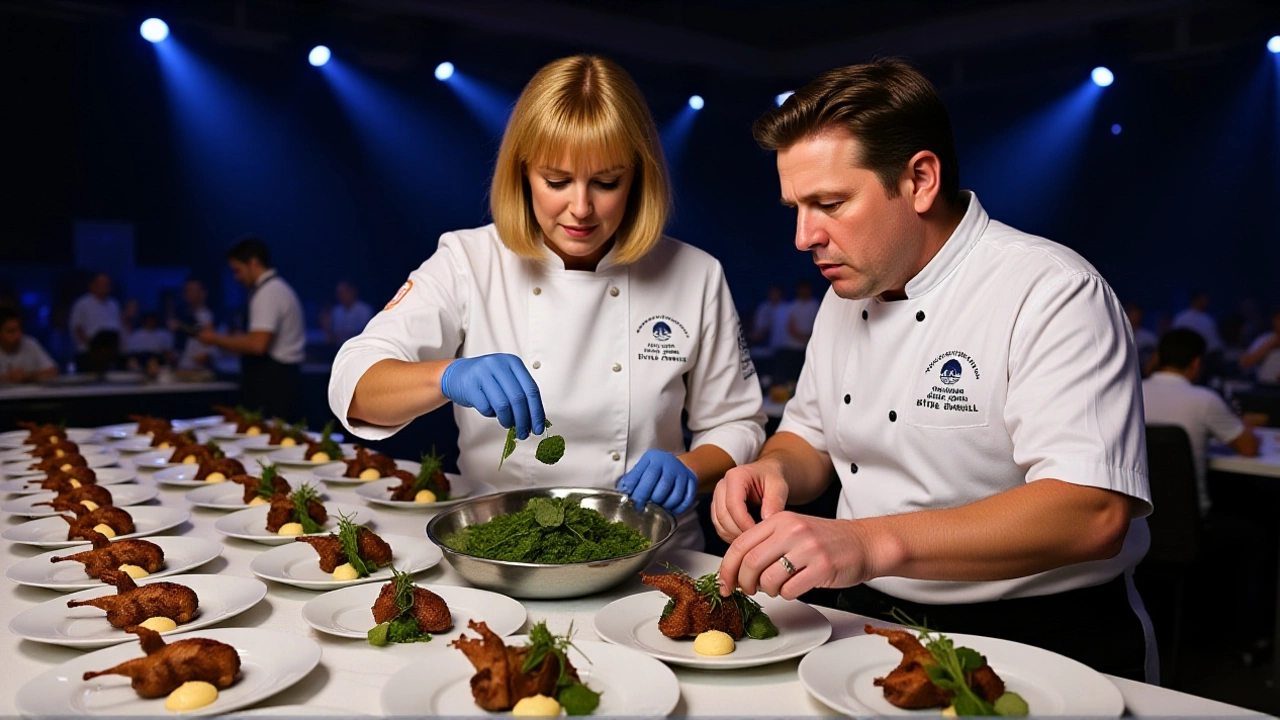
When the System Pushed Back
It wasn’t easy. "The last couple of years have been a hugely challenging time," she admitted in a 2024 interview with The Caterer. Brexit drained the front-of-house staff. Food prices spiked. Fuel costs ate into margins. For small businesses like hers, survival meant choosing between paying rent and composting beetroot tops. "It’s hard to think about sustainability when you’re wondering if you’ll open next week," she said. Yet she never stopped. Even as inflation squeezed restaurants nationwide, Spring’s Scratch menu stayed intact. Not because it was cheap—but because it was necessary.A Legacy That Grows
In 2025, she received the National Restaurant Awards’ Lifetime Achievement Award. The ceremony was quiet. No fireworks. Just a standing ovation from chefs, farmers, and students who had learned from her. Her influence is everywhere now: in the compost bins at London’s top restaurants, in the farmers’ markets that now supply Michelin-starred kitchens, in the young cooks who ask, "What can we do with this?" instead of "What should we throw out?" She didn’t want to be a pioneer. She just wanted to cook well. And in doing so, she changed the entire meaning of fine dining.Frequently Asked Questions
How did Skye Gyngell reduce food waste to almost zero at Spring restaurant?
Gyngell introduced the "Scratch menu" in 2016, which repurposed surplus ingredients like beetroot tops, potato skins, and day-old bread into new dishes such as soups and bread pudding. Every component of an ingredient was used—no peels, stems, or scraps were discarded. This approach, combined with precise inventory tracking and daily menu adjustments based on what arrived from Fern Verrow farm, cut food waste by over 90%.
Why was the Green Michelin Star awarded to Marle restaurant at Heckfield Place?
Marle earned the Green Michelin Star in 2022 for its full integration of regenerative agriculture, zero single-use plastics, and hyper-local sourcing. The restaurant sourced over 85% of its ingredients from Heckfield’s own biodynamic garden or nearby organic farms, and its waste stream was nearly closed-loop, with compost returned to the soil. It was the first UK restaurant to retain this award annually since its inception.
What role did Sian Sutherland play in Gyngell’s plastic-free initiative?
Sian Sutherland, founder of A Plastic Planet, partnered with Gyngell in 2018 to help eliminate single-use plastics from Spring restaurant. Together, they identified viable alternatives—glass jars for dressings, beeswax wraps instead of cling film, and compostable containers for takeaways. Sutherland provided industry contacts and research, while Gyngell tested and implemented the changes in real-time, proving it could work in high-end dining.
How did Gyngell’s approach differ from other sustainable chefs of her time?
While many chefs focused on organic ingredients or carbon footprints, Gyngell centered waste elimination and emotional connection to food. She didn’t just avoid plastic—she redesigned menus around what was left over. Her philosophy, "cooking and eating with economy and grace," treated scarcity not as a limitation, but as a creative catalyst. She also prioritized relationships with small farms over certifications, believing trust mattered more than labels.
What impact did Gyngell have on the UK hospitality industry after Brexit?
As Brexit caused widespread staff shortages—especially in front-of-house roles—Gyngell’s model became a lifeline. By reducing menu complexity and relying on in-house training, her kitchens needed fewer specialized roles. She trained kitchen staff in basic service, and front-of-house staff in sourcing stories, creating a more resilient, multi-skilled team. Many restaurants now emulate this cross-training approach to cope with labor gaps.
Why did Gyngell call her Michelin star a "curse"?
She felt the star shifted focus from her quiet, long-term vision of sustainability to superficial expectations of luxury and extravagance. After winning in 2011, she noticed guests began demanding more elaborate dishes and expensive ingredients, undermining her zero-waste goals. She later declined Michelin consideration entirely, choosing instead to let her work at Fern Verrow and Heckfield Place speak for itself.